
Blog
 Understanding & Diagnosis
Hyperlexia Type 3: When Early Reading Does Not Mean Autism
What is hyperlexia type 3 in children who read early but avoid eye contact, how it differs from autism, and what you can do at home.
 Understanding & Diagnosis
Does My Child Have Dyslexia? A Time for Calm, Not Guilt
If you are asking yourself if your child has dyslexia, you are not alone. A calm, practical roadmap is waiting for you, free from guilt.
 Understanding & Diagnosis
Can Eye Exercises Cure Dyslexia? What Science Says
Does your child mix up letters? There is no scientific evidence that vision therapy cures dyslexia. Discover real, evidence-based ways to support them at home.
 Understanding & Diagnosis
Is It Dyslexia, Dysgraphia, or Both? Understanding Writing Difficulties
If your child is making progress in reading but still struggles with writing, dysgraphia might be at play. Here is how to tell the difference and support them at home.
 Understanding & Diagnosis
Reading Is a Language Skill, Not Just Sounding Out Letters
If your child is bright in conversation but stuck on the page, this is why. Reading is built on spoken language, and understanding that changes how you help, especially with dyslexia.
 Understanding & Diagnosis
What Causes Dyscalculia, and What Actually Helps
Dyscalculia is not caused by laziness, screens or anything you did wrong. Here is what we know about where it comes from, and the support that genuinely makes a difference at home and at school.
 Understanding & Diagnosis
How Is Dyscalculia Diagnosed? Tests and the Assessment Process
A quick online test does not diagnose dyscalculia. Who carries out a real assessment, what steps it involves, and how you can prepare. A calm parent's guide.
 Understanding & Diagnosis
Recognizing Dysgraphia in Primary School: It Is Not 'Messy'
The handwriting is hard to read, letters wander up and down, the same word is spelled two ways. Here is how dysgraphia looks in the early school years, and why it is not carelessness, explained calmly.
 Understanding & Diagnosis
Dyslexia and Speech: The Connection, and the Important Differences
Many parents notice a child's speech before they notice reading. Here is how spoken language and dyslexia are linked, where they are genuinely different, and what helps, explained calmly.
 Understanding & Diagnosis
Left and Right Confusion: When It Is Normal and When It Points to Dyslexia
Many children, and plenty of adults, mix up left and right. Here is why direction is genuinely hard, when the confusion is normal, when it might connect to dyslexia, and the calm tricks that help.
 Understanding & Diagnosis
Why b, d, p, q Get Mixed Up, and What Actually Helps
b, d, p, q look alike, but a dyslexic child's confusion runs deeper than how they look. Here is why it happens, when it is normal, and the calm, practical things that help.
 Understanding & Diagnosis
What Is AuDHD? When Autism and ADHD Show Up Together
Your child needs routine yet craves novelty, hyperfocuses yet loses focus. AuDHD is autism and ADHD in one profile, and why it is so often missed.
 Understanding & Diagnosis
When Dyscalculia and Dyslexia Come Together
Dyscalculia and dyslexia often travel together, and seeing both can feel overwhelming. One calm, shared approach helps with both, at home and school.
 Understanding & Diagnosis
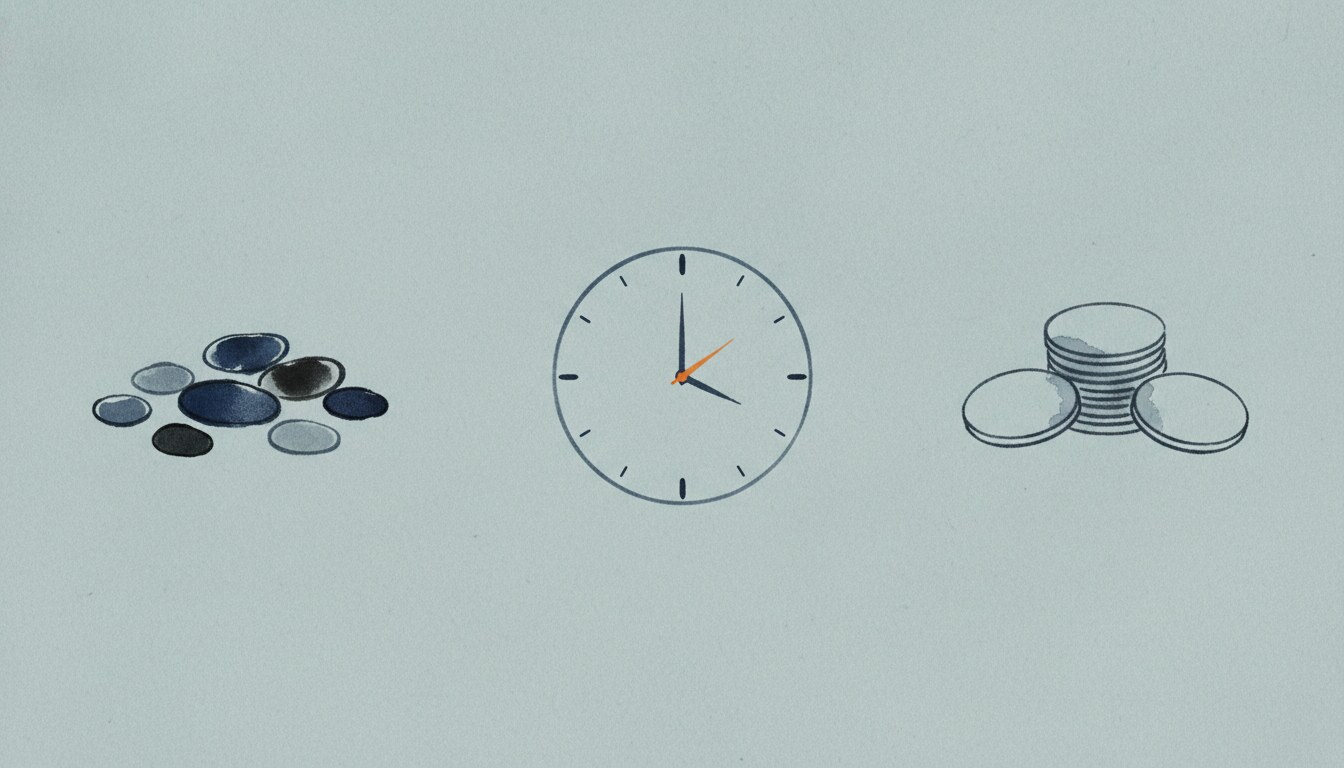
Early Signs of Dyscalculia: Counting, Time, and Money
Dyscalculia shows up most in three everyday windows: counting, telling time, and handling money. What to watch for, and which signs are a real pattern.
 Understanding & Diagnosis
What Is Dyscalculia? Dyslexia's Cousin in Math
Does your child struggle to tell time or count change, yet seems bright? Dyscalculia is a profile where number sense works differently. Signs and first steps.